Innovative Design of 3-Phase PV Inverters to Assist in the Construction of Smart Grids
In the quest for sustainable energy solutions, photovoltaic (PV) systems have emerged as a cornerstone of modern renewable energy strategies. As smart grids evolve, the integration of advanced PV inverters becomes increasingly crucial.
Posted 11 months ago in Other.

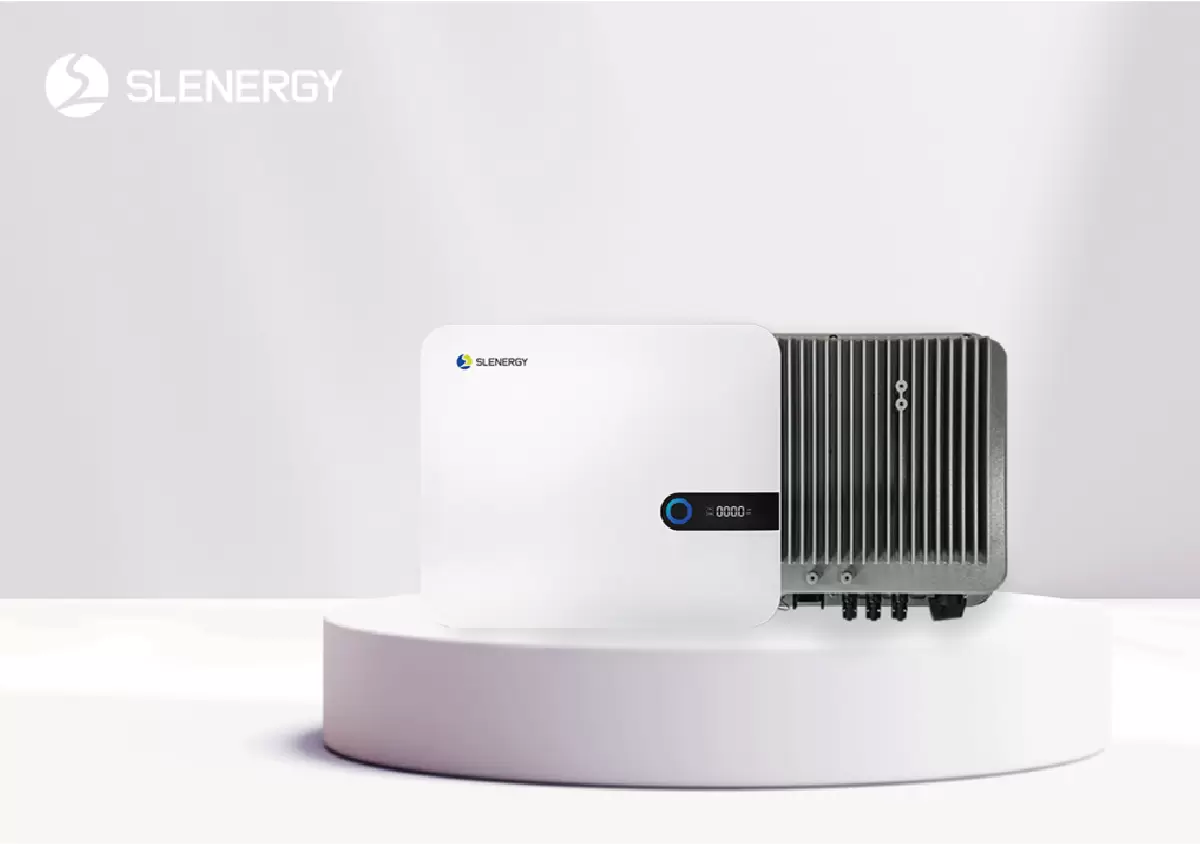
In the quest for sustainable energy solutions, photovoltaic (PV) systems have emerged as a cornerstone of modern renewable energy strategies. As smart grids evolve, the integration of advanced PV inverters becomes increasingly crucial. SLENERGY's 3-phase PV Inverter not only has high conversion efficiency and stable performance, but also incorporates advanced intelligent monitoring functions, allowing users to remotely monitor and manage the operating status of the entire photovoltaic system, thereby ensuring maximum energy utilization and long-term reliability of the system. Whether it is a sunny day or a rainy day, it can provide continuous and stable power output, and is a leader in modern green energy solutions.
The Importance of 3-Phase PV Inverters in Smart Grids
Enhancing Grid Reliability
Smart grids require robust and reliable power conversion devices to manage the interval and unpredictable nature of renewable energy sources. 3-phase PV inverters offer significant advantages over single-phase counterparts by providing balanced power output, reducing harmonic distortions, and enhancing overall grid stability. Their ability to seamlessly integrate with energy storage systems further bolsters grid resilience during outages or peak demand periods.
Facilitating Grid Flexibility and Scalability
The modular design of 3-phase PV inverters allows for easy scalability, enabling the grid to adapt to varying energy demands and the integration of additional renewable sources. This flexibility is critical for smart grids, which must accommodate a diverse range of distributed energy resources (DERs) and support bi-directional power flow.
Enabling Grid Intelligence
Advanced 3-phase inverters are equipped with communication interfaces and intelligent control algorithms. These features enable real-time monitoring, diagnostics, and control, facilitating predictive maintenance, optimizing energy distribution, and supporting demand response programs. By acting as active grid participants, these inverters contribute to the overall intelligence and efficiency of the smart grid.
Innovative Design Features of 3-Phase PV Inverters
High-Efficiency Power Conversion
Modern 3-phase PV inverters incorporate advanced semiconductor materials and topologies, such as SiC (Silicon Carbide) devices, to achieve higher efficiencies. These innovations reduce energy losses, maximize power harvest, and contribute to lower lifecycle costs.
Grid-Forming and Grid-Following Capabilities
To enhance grid stability, the latest 3-phase inverters are designed with both grid-forming and grid-following capabilities. Grid-forming mode allows inverters to act as voltage sources, providing critical support during grid faults or islanding conditions. Grid-following mode ensures seamless synchronization with the main grid, maintaining power quality and stability.
Integrated Energy Management Systems
Innovative designs include integrated energy management systems (EMS) that optimize power production and consumption based on real-time grid conditions, weather forecasts, and energy prices. These systems can direct excess energy to storage or other DERs, enhancing energy efficiency and reducing operational costs.
Advanced Protection Mechanisms
Enhanced protection features, such as overcurrent, overvoltage, and short-circuit protection, are crucial for the safe and reliable operation of 3-phase PV inverters in smart grids. Advanced fault detection and isolation algorithms minimize downtime and prevent cascading failures, ensuring continuous power supply.
Case Studies: Practical Applications of Innovative 3-Phase PV Inverters
Microgrid Integration
In a remote microgrid powered by PV and wind sources, innovative 3-phase inverters facilitated seamless integration, providing reliable power to critical infrastructure. Their grid-forming capabilities ensured uninterrupted power supply during islanding events, demonstrating their resilience and reliability.
Smart City Initiatives
In a smart city project, 3-phase inverters were deployed alongside battery energy storage systems (BESS) to support peak shaving, frequency regulation, and demand response programs. The inverters' communication interfaces enabled real-time data exchange with the city's central control center, optimizing energy use and reducing operational costs.
Renewable Energy Parks
Large-scale PV parks benefited from the high efficiency and scalability of 3-phase inverters. Their advanced control algorithms optimized power output, minimized shading losses, and harmonized power factor correction, contributing to higher overall energy yields and grid stability.
Conclusion
The innovative design of 3-phase PV inverters plays a pivotal role in advancing the construction and operational efficiency of smart grids. By enhancing grid reliability, facilitating flexibility and scalability, and enabling grid intelligence, these inverters are instrumental in achieving a more sustainable and resilient energy system. As technology continues to evolve, the integration of advanced SLENERGY 3-phase inverters will remain a cornerstone of smart grid development, driving forward the transition to a cleaner, greener energy future.
Read more