Mastering Measurement: The Importance of Calipers in Laboratory Environments
In scientific research, quality control, and material testing, precise measurement is fundamental. Even minor deviations can compromise experimental outcomes, production quality, or regulatory compliance.
Posted 3 months ago in Other.

In scientific research, quality control, and material testing, precise measurement is fundamental. Even minor deviations can compromise experimental outcomes, production quality, or regulatory compliance. Calipers for laboratory precision test are essential instruments that enable accurate dimensional measurement of samples, components, and materials.
These tools allow lab technicians, researchers, and quality engineers to conduct measurements with micrometer-level accuracy. When paired with robust calibration protocols, they help ensure reproducibility and compliance with industry standards. West Lake Packaging Machinery integrates these precision calipers into laboratory workflows to maintain quality and consistency in testing environments.
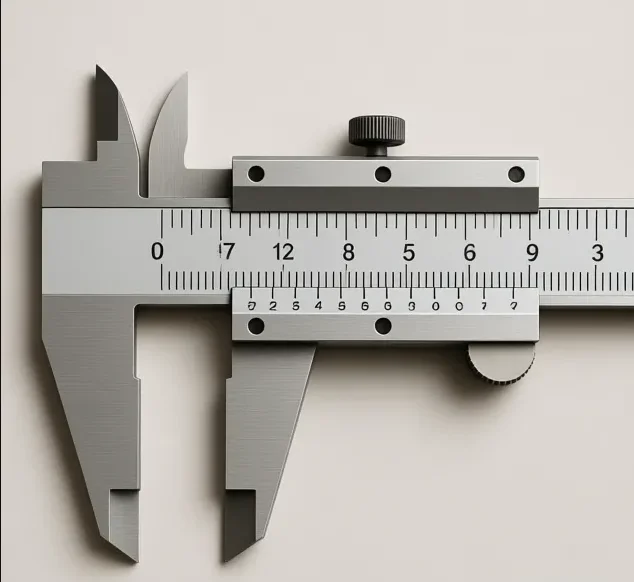
1. Understanding Laboratory Precision Calipers
Laboratory precision calipers are measuring instruments designed to determine the distance between two points on an object. They offer a high degree of accuracy, commonly in the range of 0.01 mm or better.
Types of Laboratory Calipers
Vernier Calipers: Manual calipers that allow readings through a vernier scale, precise to 0.02 mm.
Digital Calipers: Electronically driven calipers offering direct digital readouts, high repeatability, and data recording capabilities.
Dial Calipers: Equipped with a dial gauge for analog readings, often used for quick measurements with moderate precision.
Each type serves specific laboratory requirements, depending on measurement complexity, frequency, and integration with testing software.
2. Key Features of High-Precision Laboratory Calipers
2.1 Accuracy and Resolution
Laboratory-grade calipers provide sub-millimeter accuracy, essential for:
Material testing in pharmaceuticals and chemicals
Dimensional verification of lab-manufactured components
Research requiring micro-scale measurement
Digital calipers often offer resolutions of 0.01 mm or 0.0005 inches, allowing scientists to monitor even minimal variations.
2.2 Material and Build Quality
Calipers used in laboratory precision tests are constructed from materials that resist corrosion, deformation, and wear:
Stainless steel for durability and chemical resistance
Hardened alloys for enhanced longevity
Lightweight anodized aluminum for portability without compromising precision
West Lake Packaging Machinery ensures that only calibrated, high-grade materials are employed to prevent measurement drift over time.
2.3 Measurement Range and Versatility
A high-quality caliper offers a broad measurement range, typically from 0–150 mm (6 inches) to 0–300 mm (12 inches), accommodating samples of varying sizes. Some advanced calipers include:
Depth probes for internal measurements
Step measuring jaws
External and internal jaw functionality
This versatility is essential in laboratory testing where diverse sample geometries are common.
3. Calibration and Quality Assurance
Precision calipers are only as reliable as their calibration standards. In laboratory applications, frequent calibration is essential:
Traceable Calibration: Ensures alignment with national and international measurement standards (NIST, ISO).
Zero Setting Verification: Confirms baseline accuracy before each measurement session.
Routine Inspection: Scheduled checks for wear, surface damage, or reading deviation.
By employing strict calibration procedures, West Lake Packaging Machinery guarantees that their laboratory testing maintains repeatable, verifiable results.
4. Integration into Laboratory Workflows
Laboratory precision calipers play a critical role in various workflows:
4.1 Research and Development
Measuring prototypes and test samples
Dimensional verification during iterative design processes
Collecting data for statistical analysis
4.2 Quality Control and Packaging
Checking component tolerances before assembly or packaging
Ensuring compliance with ISO and GMP standards
Identifying defects or deviations early in the production process
4.3 Educational and Academic Labs
Teaching students accurate measurement techniques
Enabling laboratory experiments with high reproducibility
West Lake Packaging Machinery emphasizes that integrating precision calipers into workflow enhances process reliability and reduces material wastage.
5. Advantages of Using Laboratory Calipers
High Accuracy: Achieves measurements with minimal error, reducing experimental uncertainty.
Time Efficiency: Rapid digital readings accelerate testing processes.
Data Integration: Digital calipers can interface with laboratory software for real-time recording.
Versatility: Suitable for various measurement types including internal, external, and depth dimensions.
Durability: High-quality materials ensure longevity under frequent use.
6. Selecting the Right Caliper Manufacturer
When choosing a supplier for laboratory precision calipers, consider:
Proven engineering and material expertise
Strict adherence to calibration and testing standards
Customizable solutions for lab-specific measurement requirements
After-sales support including calibration services and maintenance
West Lake Packaging Machinery excels in delivering precision calipers that meet rigorous laboratory standards while offering technical support for integration, calibration, and training.
Conclusion
Calipers for laboratory precision test are indispensable tools for accurate measurement, quality assurance, and research excellence. Their precision, durability, and integration capabilities directly impact the reliability of experimental outcomes and production standards.
With high-quality calibration, robust design, and comprehensive technical support, West Lake Packaging Machinery provides laboratory calipers engineered for consistency, accuracy, and workflow efficiency. For laboratories aiming to achieve repeatable, verifiable results, partnering with a trusted manufacturer ensures measurable quality and confidence in every measurement.
Read more